


Hit and Run
Call the police right away and write down anything you remember about the other vehicle. Your uninsured motorist coverage may apply.
CarAccident.com.ai provides general information about injuries, accidents, and workers' compensation in California. This website is not a law firm. We do not give legal or medical advice, and we do not refer people to attorneys or doctors.
California Car Accident Information
A free, plain-language guide to staying safe, reporting the accident, dealing with insurance, and knowing your deadlines in California.
Free · Information only · Not a law firm
Step by Step
Take a breath. Go one step at a time. These are the basic things to do right after an accident in California.
Step 01
California law requires drivers involved in an accident to stop. Turn on your hazard lights and move to a safe spot if you can.
Step 02
Get medical help first. Police or the CHP can also make a report.
Step 03
Share names, driver's license numbers, insurance information, and vehicle details with the other drivers.
Step 04
Photograph the vehicles, the scene, road conditions, traffic signs, and any visible injuries.
Step 05
Get names and phone numbers of anyone who saw what happened.
Step 06
Be polite, but don't argue about who was at fault.
Step 07
Some injuries, like whiplash or concussions, don't show symptoms right away.
Step 08
Report the accident to your own insurer as your policy requires.
Medical Care & DMV Reporting
If anyone is hurt, call 911. See a doctor as soon as you can, even if you feel fine, since some injuries don't show symptoms right away. You are free to choose your own doctor. Keep copies of medical records, bills, photos, and the other driver's information.
In California, if anyone was injured or killed, or property damage is more than $1,000, you must report the accident to the DMV within 10 days using form SR-1.
The DMV report is required even if police made a report. Visit dmv.ca.gov for the SR-1 form.
SR-1 due within
10 days
What to keep

Coverage, Simply Explained
The at-fault driver's liability insurance generally pays for other people's injuries and property damage, up to the policy limits.
California requires drivers to carry at least minimum liability coverage. Minimums can be much less than the cost of a serious accident.
If the other driver has no insurance or not enough, your own uninsured or underinsured motorist coverage may help, if you have it.
If you have MedPay on your policy, it may help with medical bills regardless of who was at fault.
Your own collision coverage may pay to repair your car, minus your deductible.
The other driver's insurance company may ask for a recorded statement. You are generally not required to give one.
Every policy is different. Read your policy or ask your insurance company what's covered. For legal questions, contact a licensed California attorney of your choice.
Who Is at Fault?
California uses a comparative fault system. If more than one person was responsible for an accident, each person's share of the responsibility can affect what they may recover. Being partly at fault does not automatically mean you can't recover anything.
California law may limit certain damages for drivers who were uninsured at the time of the accident, or who were driving under the influence.
Comparative fault
Being partly at fault does not automatically mean you can't recover anything.
Not Every Accident Is the Same
Call the police right away and write down anything you remember about the other vehicle. Your uninsured motorist coverage may apply.

Uber and Lyft carry insurance that may apply depending on whether the driver was on a trip, waiting for a ride, or offline.
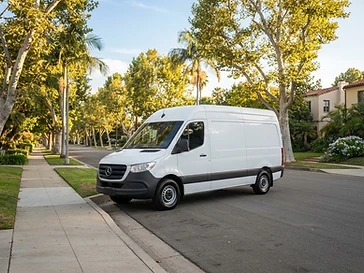
When a driver is working, their employer and its insurance may also be involved.

Claims involving a city, county, or state vehicle or dangerous road usually require a written claim within about six months.

If you were hurt while working, workers' compensation may apply. See WorkersCompensation.io for general information.
WorkersCompensation.io
Pedestrians and cyclists hit by a car may be covered by the driver's insurance and sometimes their own auto policy.
Time Matters
In California, you generally have two years from the date of an accident to file a personal injury lawsuit, and three years for property damage. If a government vehicle or road was involved, you may have only about six months to file a written claim. The DMV SR-1 report is due within 10 days when required. Rules can be different for children. Don't wait to get answers.
10 days
DMV SR-1 report, when required
~6 months
Written claim when a government agency is involved
2 years
Personal injury lawsuit
3 years
Property damage
Go Straight to the Source
These are official government resources. CarAccident.com.ai is not affiliated with any government agency.
Common Questions
Part of the Injury AI Network
Other free, information-only websites in the Injury AI Network.
Business Inquiries
CarAccident.com.ai is operated by Injury AI Platforms, a marketing and technology company. Law firms and businesses can inquire about advertising, sponsorship, and platform leasing opportunities across the Injury AI Network.
This form is for law firms and businesses only. Please do not submit accident or injury details.


